Comfort First, Savings Second
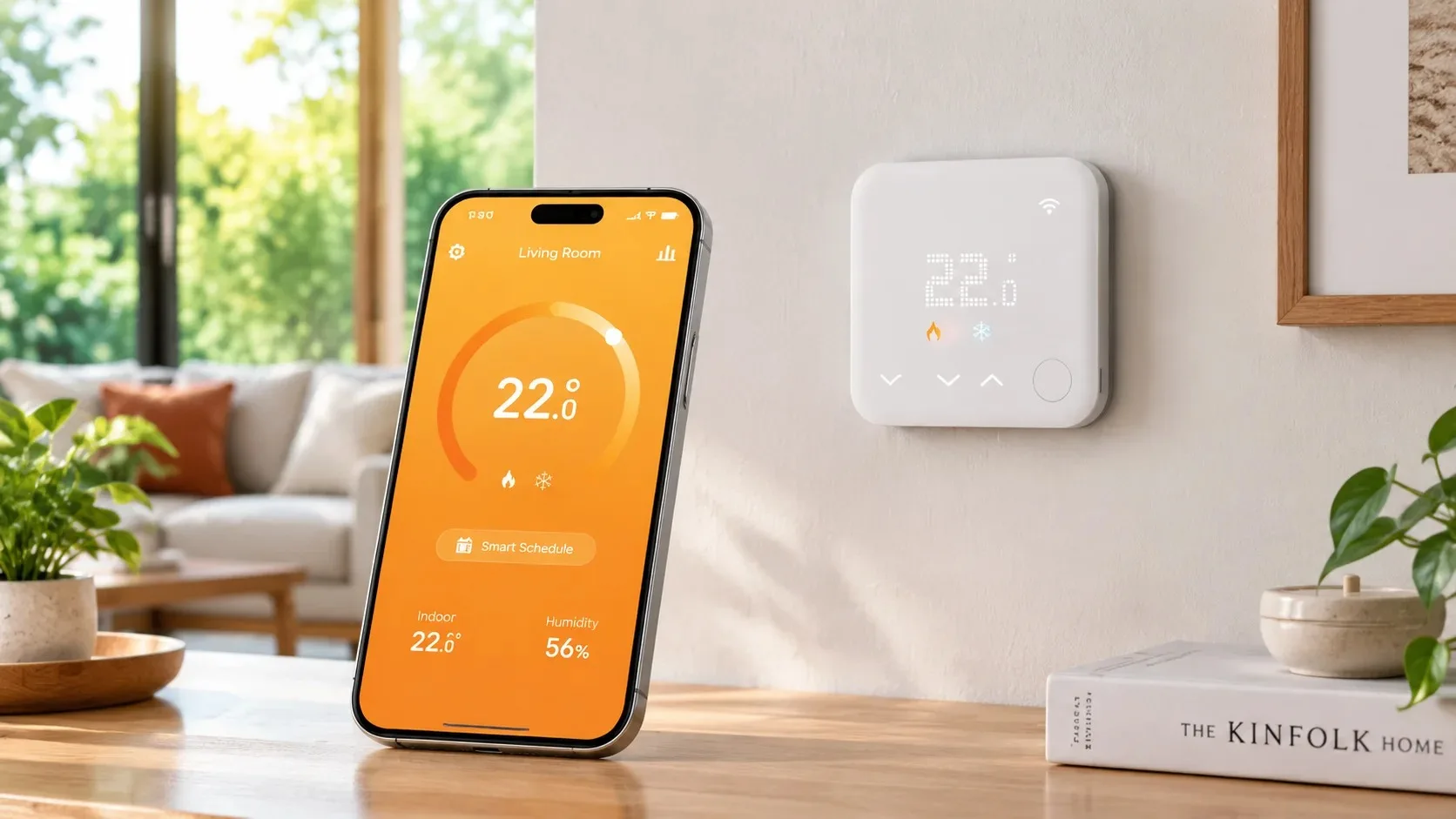
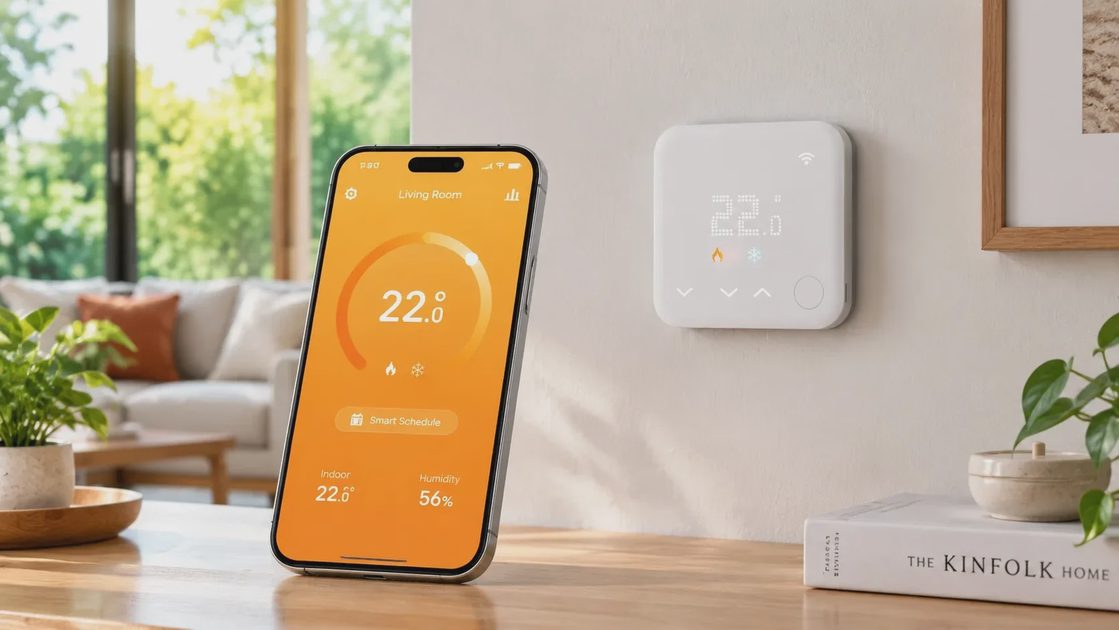
Most people notice the comfort improvement before they notice the money saved. A thermostat that learns the household schedule or that can be adjusted from a phone keeps the house closer to the temperatures people actually want at the times they want them. The energy savings are real for many homes, but they depend on the previous habits, the climate, and how well the system is set up.
Setting Realistic Expectations
Treating savings as the primary promise leads to disappointment when the numbers are modest. Treating comfort and control as the primary benefits keeps expectations realistic. Homes that previously left the system running at a constant temperature all day often see noticeable improvement. Homes that already used a programmable thermostat carefully may see smaller gains.
Compatibility Is Non-Negotiable
Not every thermostat works with every furnace, air conditioner, or heat pump. Older systems may lack a common wire (the “C wire”) that many smart thermostats need for continuous power. Heat pumps have different control requirements from standard furnaces. Some systems use proprietary communicating controls that reject third-party thermostats.
How to Check Before Buying
Identify the existing thermostat wires and consult the manufacturer’s compatibility checker. If the checker is unclear, take a photo of the wiring and contact support. Installing an incompatible unit wastes time and can leave the heating or cooling system inoperable until the old thermostat is restored. Compatibility is the first filter; everything else comes after.
Common Wiring Situations
Many newer homes already have a C wire. Older homes often do not. Some thermostats include power adapters or alternative power methods. Confirm the exact solution for your system before purchase so you are not surprised during installation.
Installation Realities
Many smart thermostats are designed for homeowner installation. The process usually involves labeling the existing wires, removing the old unit, connecting the new one, and running a setup sequence in an app. The work is straightforward when the wiring is standard and the wall box is in good condition.
When to Call a Professional
It becomes harder when wires are short, the wall is damaged, or a C wire is missing and an adapter is required. If you are not comfortable turning off power at the breaker and working with low-voltage wires, hire an HVAC technician. The cost is modest compared with the frustration of a system that will not start. A clean installation prevents most later problems.
Post-Installation Checks
After the new thermostat is online, confirm that heating and cooling both respond correctly. Check that the system type was detected accurately. Run a short heating and cooling cycle to verify operation before relying on schedules or remote features.
Features That Matter for Families
Scheduling that matches real life is more useful than complicated geofencing for most households. Remote adjustment is valuable when someone is on the way home or when a vacation holds the temperature at an efficient setback. Room sensors can help if certain areas of the house are consistently too hot or too cold, but they add complexity and another set of batteries.
Display and Manual Controls
I look for a clear, readable display and straightforward manual controls that work when the app is unavailable. Fancy voice-control features are secondary. A thermostat that can still be adjusted by hand during a network outage is more practical for daily family life.
Learning Features and Schedules
Give learning features a week or two to observe household patterns, then review the resulting schedule. Adjust it to match actual routines rather than assuming the algorithm got everything right on the first pass. Simple, predictable schedules usually outperform aggressive automation that no one understands.
Realistic Savings Expectations
Savings come from reducing heating and cooling when the house is empty and from avoiding extreme setpoints. Climate matters: the potential is higher in regions with large heating or cooling loads. Do not count on the highest percentage claimed in marketing materials. Treat any savings as a welcome side effect of better control rather than a guaranteed return on investment.
Factors That Influence Results
Previous thermostat habits, insulation quality, window efficiency, and local energy prices all affect the final numbers. A well-tuned smart thermostat in a leaky house will still waste energy. Pairing the thermostat with basic sealing and insulation improvements usually produces better results than the thermostat alone.
Settings Worth Checking After Installation
Set a realistic schedule that reflects when people are home and awake. Enable any adaptive recovery or learning features and give them time to settle. Check that the system type was detected correctly. If the house has hot and cold spots, consider whether a room sensor or a simple fan-on setting helps. Finally, make sure every adult in the household knows how to adjust the temperature manually without the app.
Household Buy-In
A thermostat that only one person understands will eventually be overridden or ignored. Walk the rest of the family through the basic controls and the schedule. Shared understanding keeps the system working as intended.
When a Smart Thermostat Is Not the Right Move
If the existing system is incompatible, if the household is unlikely to use scheduling or remote features, or if the current programmable thermostat is already well tuned, the upgrade may not be worth the cost and effort. A simple, reliable non-smart thermostat that people actually set correctly can outperform a smart unit that is ignored.
Closing Thought
A smart thermostat earns its place when it keeps the house comfortable with less waste and less fiddling. Confirm compatibility, install it carefully, set a schedule that matches real life, and treat savings as a bonus rather than the main event. Done that way, the thermostat becomes quiet infrastructure instead of another gadget that needs attention.
Let’s make your home work for you, not the other way around.