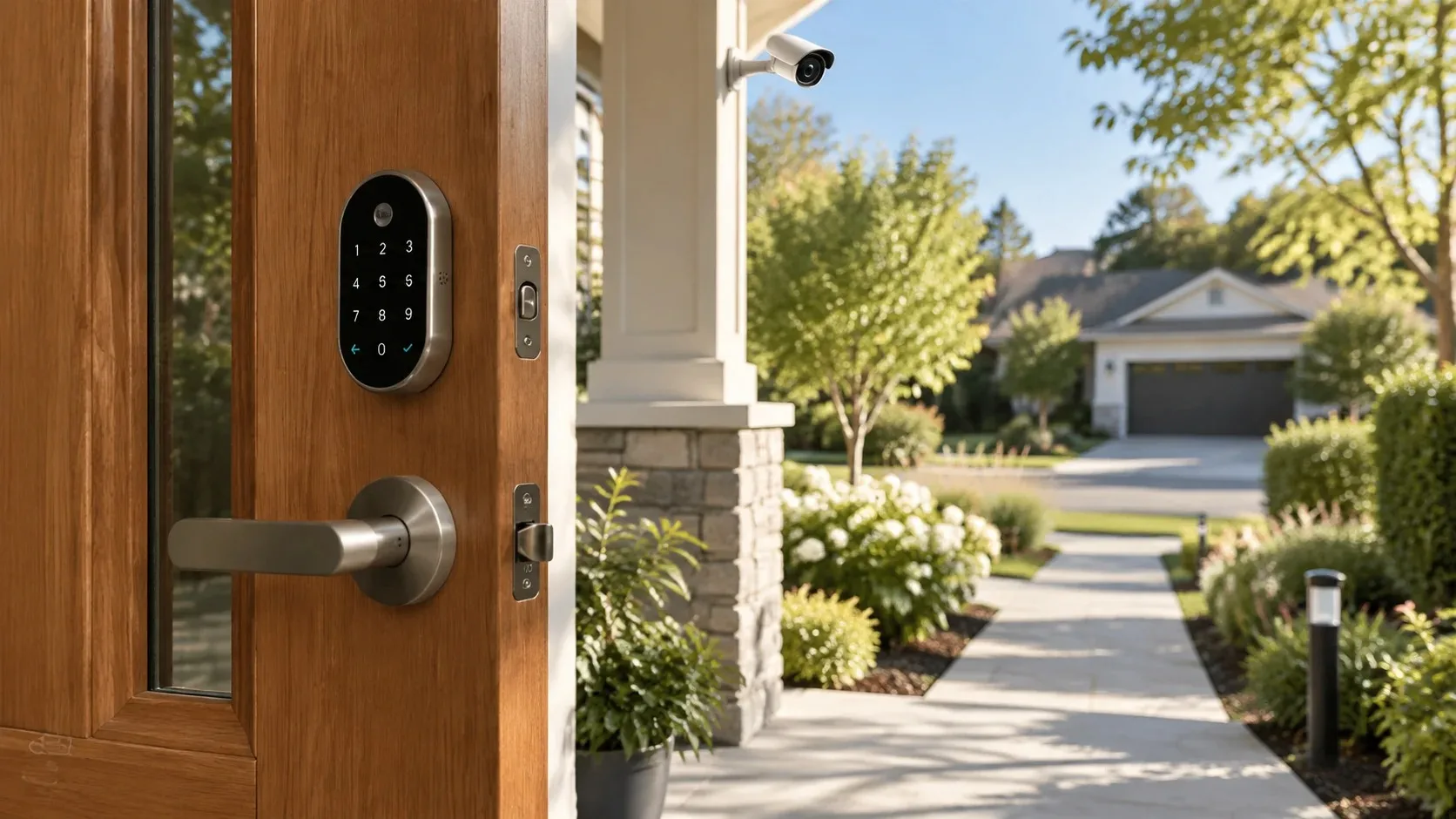
Security Without the Sales Script
Many security companies lead with fear and then present a monitored system as the only responsible choice. Monitored systems have their place, especially for people who want professional response when they are away. But a large number of ordinary households can improve their security meaningfully with simpler tools and better habits. The goal here is a basic layer that raises the effort required for casual intrusion, gives you visibility when something is unusual, and does not lock you into a contract.
What This Approach Prioritizes
Deterrence, visibility, and timely information you control. It does not claim to stop a determined intruder with time and tools. It does raise the difficulty for opportunistic attempts and gives the household a clearer picture of what is happening at the doors and windows that matter most.
Start With the Physical Basics
The strongest security improvements are often the least technical. Solid doors with quality deadbolts, working exterior lights, and trimmed landscaping that does not create hiding spots do more than most sensors.
Doors and Frames
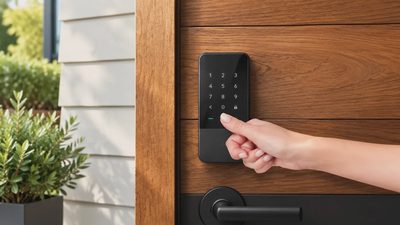
Make sure every exterior door has a deadbolt that seats firmly into a reinforced strike plate. Add a door reinforcement kit if the frame is weak. Check that the door itself is solid and that the hinges are secure. These steps cost less than most electronic systems and do not require apps, batteries, or subscriptions.
Lighting and Landscaping
Use exterior lighting on a timer or a simple dusk-to-dawn sensor so the house never sits in complete darkness. Keep shrubs trimmed so they do not create concealed approaches to doors or windows. Good lighting and clear sight lines are quiet, ongoing deterrents.
Add Simple Electronic Layers
Once the physical layer is solid, a few electronic devices can add useful awareness.
Entry Visibility
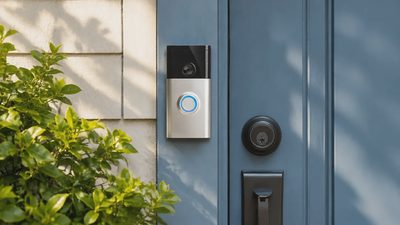
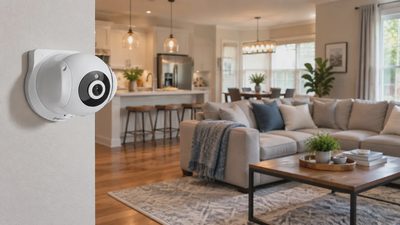
A video doorbell or a single outdoor camera aimed at the main entry gives you a record of who approaches and lets you speak to visitors remotely. Choose a model that offers local storage or a modest subscription only if you want cloud history. Tune the motion zones so the phone does not fill with irrelevant alerts.
Contact Sensors
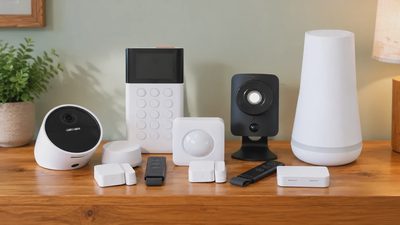
Window and door contact sensors can send a notification if something opens while the system is armed. Place them on the doors and windows that are most likely to be used or that are hidden from view. A basic hub or a sensor system that works with your existing phone is enough for most houses. Keep the number of sensors modest so the system stays manageable.
Motion Sensors for Specific Zones
A motion sensor in a central hallway or near a valuables area can alert you to movement when the house is supposed to be empty. Keep the sensitivity reasonable so that pets do not trigger constant alerts. Use motion detection for awareness, not as the sole security layer.
Avoiding the Subscription Trap
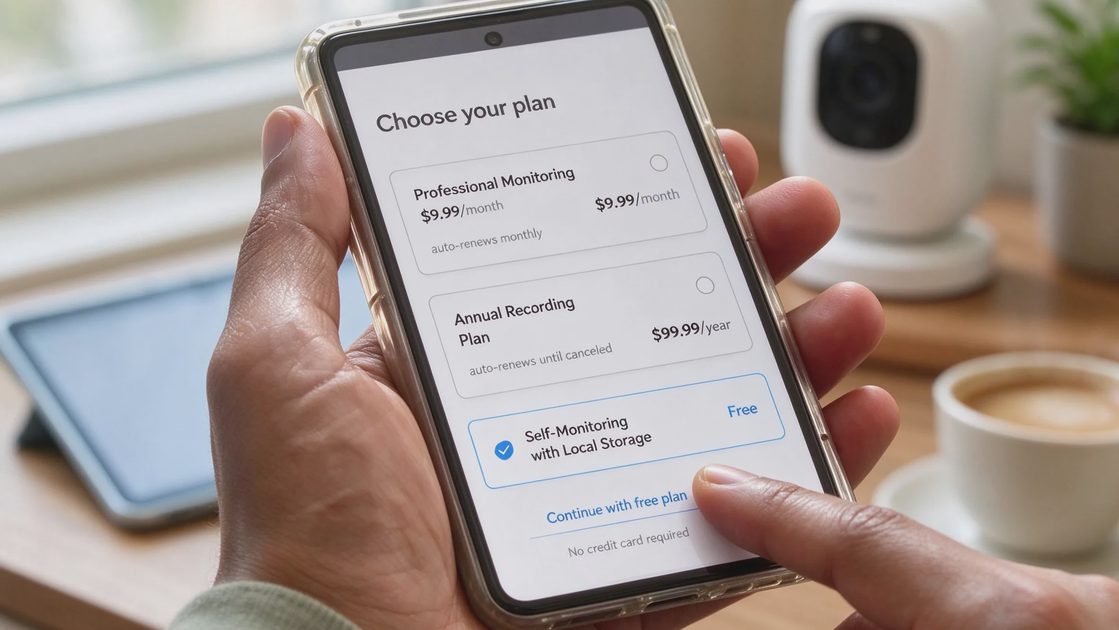
Many systems are designed so that the hardware is inexpensive and the ongoing monitoring fee is where the company makes its money. If you do not need professional monitoring, look for equipment that functions fully without it.
Reading the Fine Print
Local storage for cameras, self-monitored sensors that push alerts to your phone, and locks that do not require a cloud service for basic operation keep the long-term cost predictable. Read the fine print on any “free” hardware offer. The contract length, the early-termination fee, and the price after the promotional period matter more than the upfront cost of the equipment.
A Realistic Starter Kit
For many families the following combination is enough:
Reinforced exterior doors and quality deadbolts
Exterior lighting on timers or sensors
One video doorbell or porch camera with local or optional cloud storage
Contact sensors on primary doors and any vulnerable ground-floor windows
A simple way to receive alerts on the phones of the adults in the household
This kit can be expanded later if needed. It does not require a central monitoring station or a multi-year agreement.
Expanding Only When Needed
Add devices only when a clear gap appears. A second camera or additional sensors should answer a specific question the current setup does not cover. Avoid building a large system simply because the equipment is on sale.
Habits That Matter More Than Gadgets
Lock the doors even when you are home. Do not leave spare keys in obvious outdoor locations. Keep valuables out of easy sight from windows. When you are away, make the house look occupied with lighting and, if appropriate, a radio or television on a timer. These habits cost nothing and defeat the majority of opportunistic attempts.
Consistency Over Complexity
The best security habits are the ones the household actually follows. A simple routine that happens every time is more effective than an elaborate system that is armed only occasionally.
What This Approach Does Not Do
A self-monitored system will not dispatch police automatically. It will not replace a monitored service for people who want that response. It also will not stop a determined intruder who has time and tools. What it does is raise the difficulty for casual or opportunistic attempts and give you timely information so you can respond.
Closing Thought
Basic home security is mostly about making the house a harder, more visible target and giving yourself clear information when something is unusual. You can achieve that without a sales pitch or a monthly fee. Start with the physical layer, add a few simple electronic tools that you control, and keep the rules uncomplicated enough that the system stays in use.
Let’s make your home work for you, not the other way around.