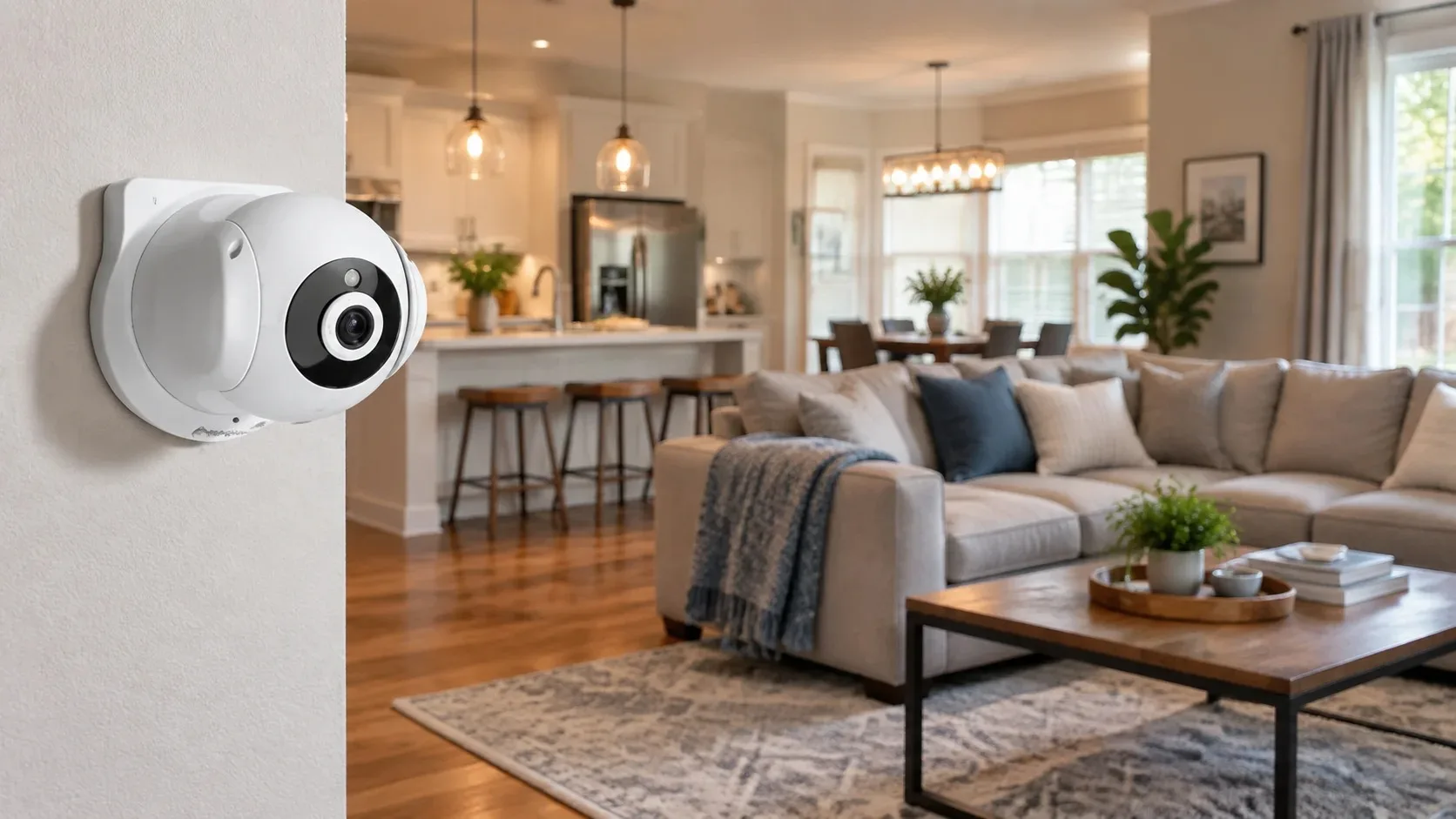
Cameras Should Solve a Specific Problem
The most useful cameras in a family home are the ones tied to a clear purpose: watching the front porch for packages, checking the backyard when the dog is out, or keeping an eye on a side door that is hard to see from inside. Cameras placed “just in case” or in rooms where people expect privacy tend to become sources of tension rather than security.
The Purpose Test
I approach every camera decision by asking what question the camera is supposed to answer and whether a simpler method would work as well. Sometimes a better porch light or a different lock is the more practical fix. A camera should earn its place by solving a problem the household actually has, not by satisfying a vague sense that more cameras equal more safety.
Outdoor Cameras: What Matters
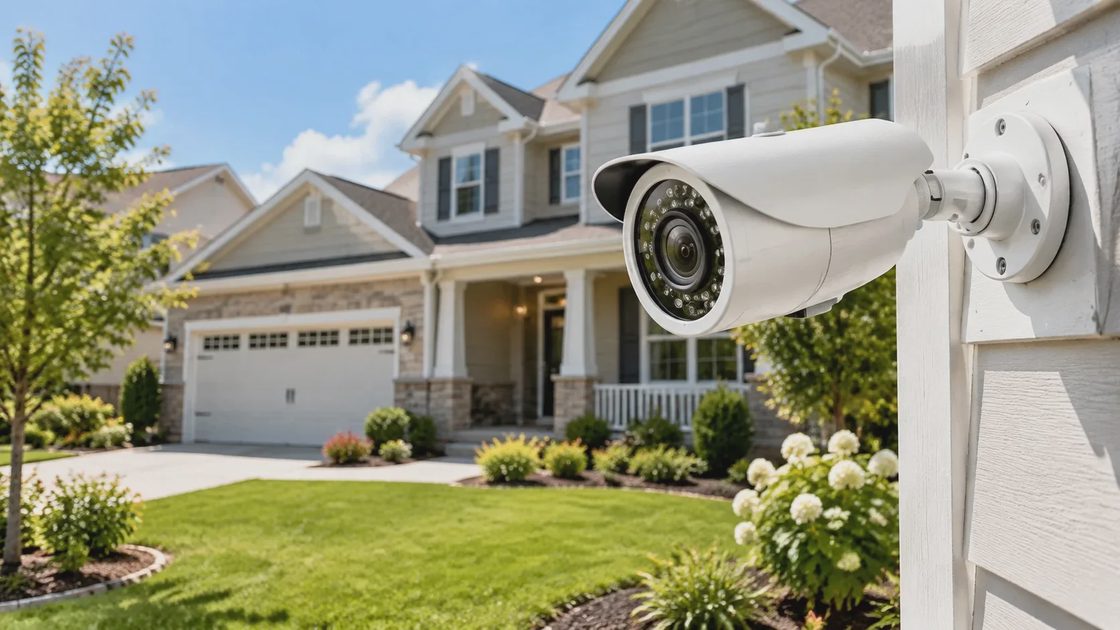
Outdoor cameras need weather resistance, night vision that works in your specific lighting conditions, and a field of view that covers the area of interest without capturing too much of the street or neighboring properties.
Power and Mounting Choices
Power options matter. Hardwired or Power-over-Ethernet units avoid battery changes. Battery models are easier to place but require a maintenance schedule. Mount outdoor cameras high enough to deter tampering and angled so that the main activity zone fills most of the frame. Avoid pointing them directly at bright lights or highly reflective surfaces that will wash out the image at night. If the camera will be used for package detection, make sure the porch area is clearly visible and that motion zones can exclude the sidewalk.
Weather and Night Performance
Choose a model rated for the temperature range and moisture levels in your area. Test night vision after installation under the actual lighting conditions around your house. Streetlights, porch lights, and neighboring fixtures all affect how well the camera sees after dark.
Indoor Cameras: Different Rules
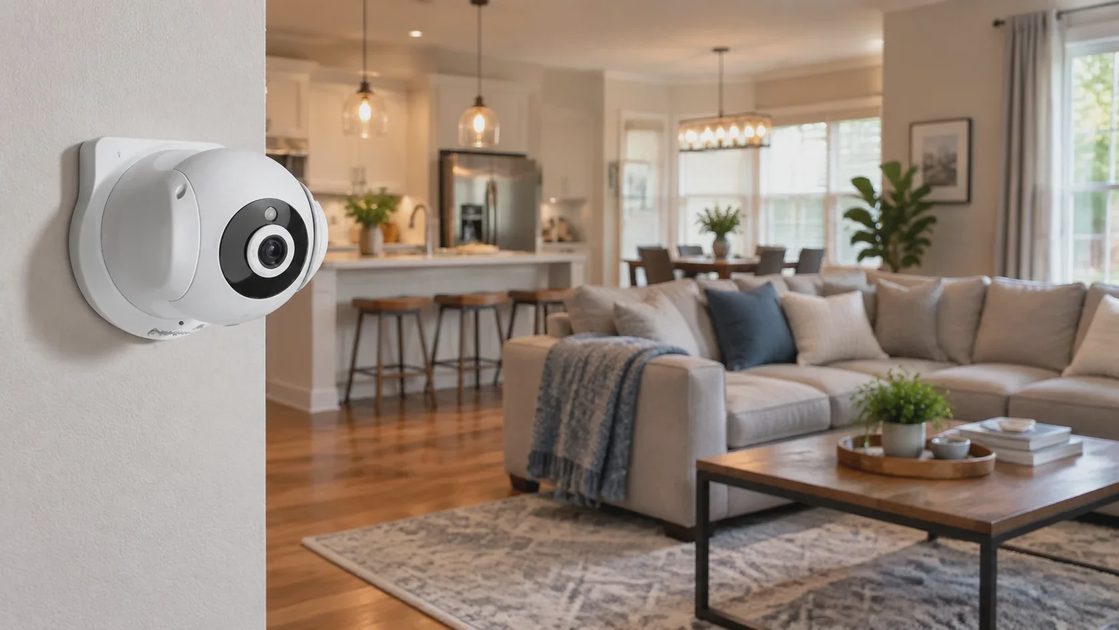
Indoor cameras raise privacy questions that outdoor units do not. Bedrooms, bathrooms, and spaces where people change clothes or have private conversations are almost never appropriate locations.
Consent and Control
Living rooms, kitchens, and entry areas can be reasonable if the whole household agrees and the camera can be disabled easily when desired. Many indoor cameras include privacy shutters or physical lens covers. Those features are worth having. Equally important is clear agreement about when the camera is on, who can view the feed, and how long recordings are kept. A camera that is always live and accessible to multiple people can feel intrusive even if the original intention was benign.
Room-by-Room Considerations
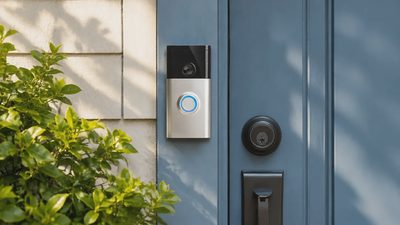
Front entry and porch: Often the highest-value location. An outdoor doorbell camera or a dedicated porch camera answers the most common questions and requires the least ongoing negotiation about privacy.
Backyard or side yard: Useful if you have pets, children who play outside, or a gate that is not visible from the house. Choose a camera rated for outdoor use and place it so it covers the activity area without staring into a neighbor’s window.
Garage: Practical for monitoring vehicles, stored items, or a side door. Temperature extremes and dust mean you should choose a model rated for the environment.
Living room or main gathering area: Only if there is a specific reason and clear household consent. Many families find that a camera in the main living space creates more discomfort than value.
Kids’ play areas: Approach with caution. If the goal is occasional check-ins while a child is with a caregiver, a temporary or easily disabled camera may be better than a permanent installation. Always involve age-appropriate conversation about why the camera is there.
Home office: Rarely necessary unless the space is used for something that requires monitoring when empty. Most people prefer not to feel observed while working.
The Default Is Fewer Cameras
When in doubt, start with fewer cameras rather than more. It is easier to add a camera later than to remove one that has already created tension or notification fatigue.
Wired, Battery, or Plug-In
Outdoor hardwired or PoE cameras are the most reliable for permanent locations. Indoor cameras are often simplest as plug-in models. Battery cameras offer placement flexibility but add a charging chore. Match the power method to how permanent the installation is and how willing you are to perform maintenance.
Maintenance Reality
Battery cameras that need frequent charging eventually get neglected. Hardwired units require more upfront effort but stay online with less ongoing attention. Choose the power method that matches how the household actually behaves, not the ideal maintenance schedule.
Privacy and Household Agreement
Before any camera goes up, talk through who will have access, whether audio is recorded, how long clips are stored, and whether the camera can be turned off for gatherings or private time. Write down the basic rules if that helps the household remember them. A camera that lacks clear agreement becomes a source of conflict.
Reviewing Access Periodically
Accounts and shared permissions tend to accumulate. Every few months, review who can see the feeds and remove access that is no longer needed. This simple habit prevents old permissions from lingering longer than intended.
What I Usually Recommend Against
I recommend against cameras in bedrooms and bathrooms. I also recommend against systems that require a subscription for basic live viewing if a one-time purchase model will meet the need. Finally, I recommend against placing cameras solely because a package of equipment was on sale. Each camera should earn its place by answering a real question the family has.
Closing Thought
Cameras are tools, not decorations. Used with clear purpose and clear household rules, they can reduce worry about packages, pets, or unoccupied areas. Used without that clarity, they create noise, privacy tension, and maintenance chores. Decide room by room, choose the right type for the location, and keep the rules simple enough that everyone can live with them.
Let’s make your home work for you, not the other way around.