A Familiar Kind of Frustration
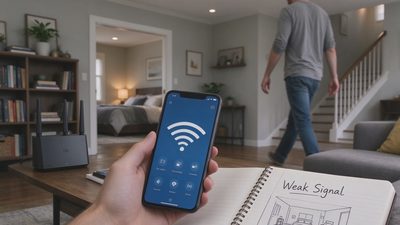
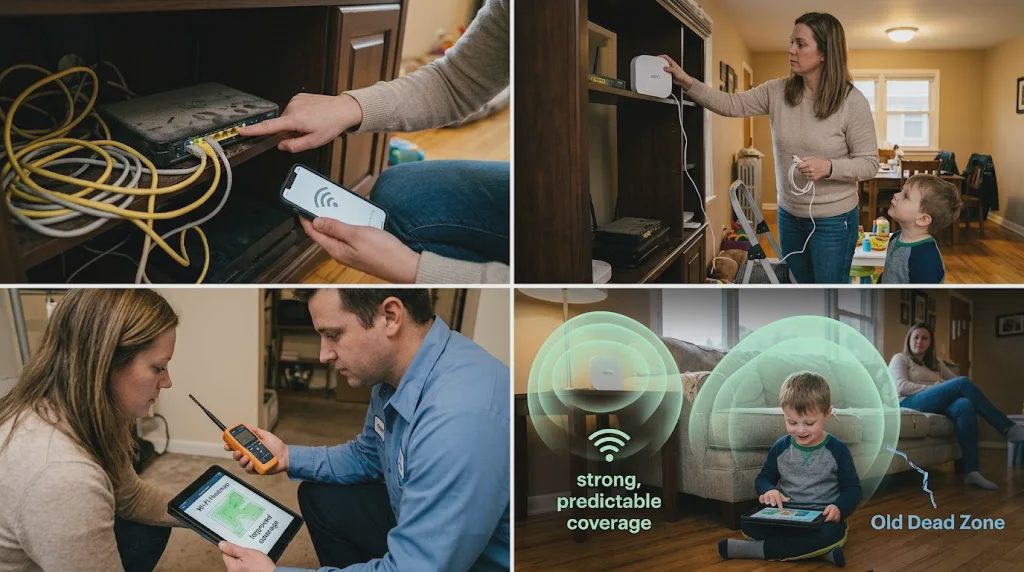
I have sat at more kitchen tables than I can count. The homeowner opens a laptop or holds up a phone and says something like, “The Wi-Fi dies in the back bedroom,” or “We bought a smart lock and now half the family can’t get in the door.” Sometimes it is a camera that keeps going offline. Sometimes it is a thermostat that never quite matches the temperature they set. The common thread is almost always the same: they expected the technology to make life easier, and instead it added a new set of chores.
What the Complaints Usually Sound Like
The details change from house to house, but the underlying feeling does not. People describe spending evenings resetting devices, arguing over whose phone can control the lights, or simply giving up and leaving a gadget unplugged. Parents mention kids who cannot get online for homework. Adults talk about work calls that drop when someone starts a video in another room. These are not exotic technical failures. They are ordinary frustrations that pile up until the technology starts to feel like an extra job.
Why the Frustration Keeps Happening
Most of the equipment I used to install was capable enough. The problem was rarely the hardware itself. The bigger issue was that the people living with it had never been given a clear, practical explanation of what mattered and what did not. Sales materials focused on features. Installation instructions assumed a level of comfort that many homeowners do not have. Follow-up support often stopped once the truck left the driveway. The result was a house full of devices that worked in theory and failed in daily life.
What “Small Fixes” Actually Means
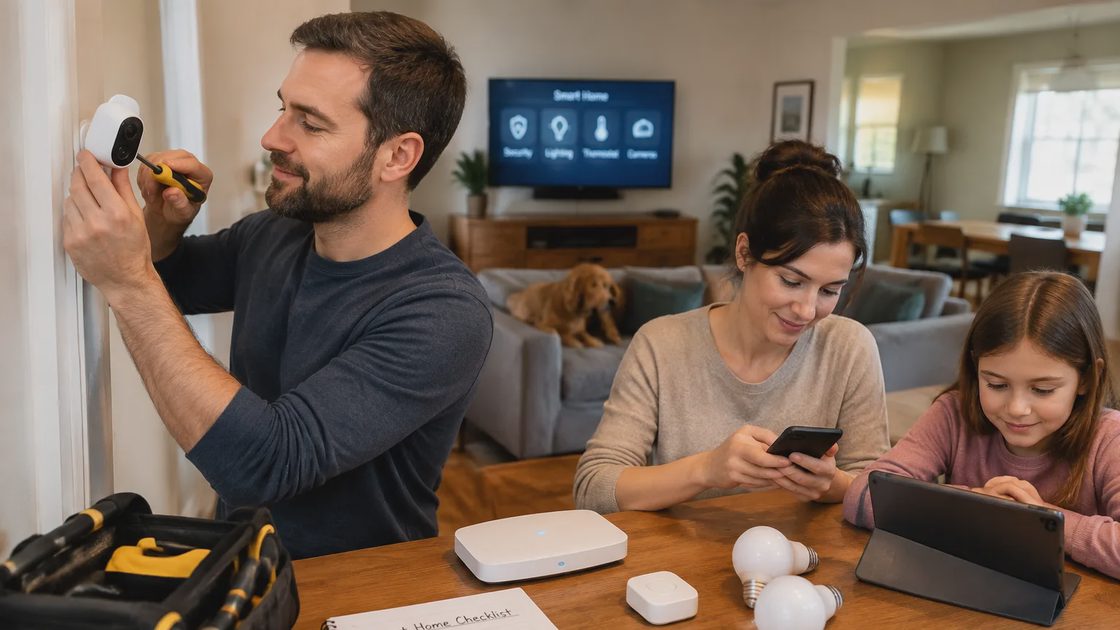
House of Small Fixes is built around a simple idea: most homes improve when you make one dependable change at a time instead of trying to overhaul everything at once. You do not need a fully automated house. You need reliable Wi-Fi in the rooms you use, a lock the whole family can operate, a camera that records when it should and stays quiet the rest of the time, and a few devices that earn their place by solving real problems.
The Difference Between Small and Scattered
A small fix is deliberate. It solves a specific problem, fits the way the household already lives, and does not create three new problems in the process. A scattered approach is the opposite—buying a multipack of smart plugs “just in case,” installing cameras in every room, or chasing the newest hub because a review said it was powerful. Small fixes compound into a quieter, more reliable home. Scattered purchases usually create clutter and abandoned apps.
Why One Change at a Time Works Better
When you change only one thing, you can tell whether it actually helped. You can adjust the settings, teach the rest of the family how to use it, and decide whether it deserves to stay. When you change six things at once, the failures blur together and motivation disappears. I have watched more ambitious projects stall than succeed. The homes that end up working well are almost always the ones that improved steadily.
How I Approach Every Recommendation
When I look at a piece of home technology, I ask a short list of questions:
Does it solve a problem this family actually has?
Can ordinary people install and maintain it without calling for help every month?
What happens when the power goes out, the battery dies, or the app updates?
Are there ongoing costs that the marketing glossed over?
Will this still make sense in two years when the kids are older or the house has changed?
Those questions keep the advice grounded. They also keep me honest. There are plenty of devices I will not recommend simply because they create more work than they remove. There are others I will suggest even if they are not the flashiest option, because they have proven reliable in real homes.
Field Experience Versus Lab Claims
I spent fifteen years installing and servicing systems in ordinary houses—three-bedroom ranches, split-levels, older two-stories with plaster walls and quirky wiring. I saw what failed after the novelty wore off. Dead batteries, forgotten passwords, weak signals behind brick fireplaces, and subscription fees that surprised people six months later. That experience shapes every recommendation on this site. I trust what survives daily family life more than what looks impressive in a controlled demonstration.
What You Can Expect From the Categories
The site is organized into four practical areas.
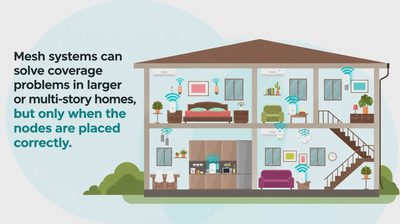
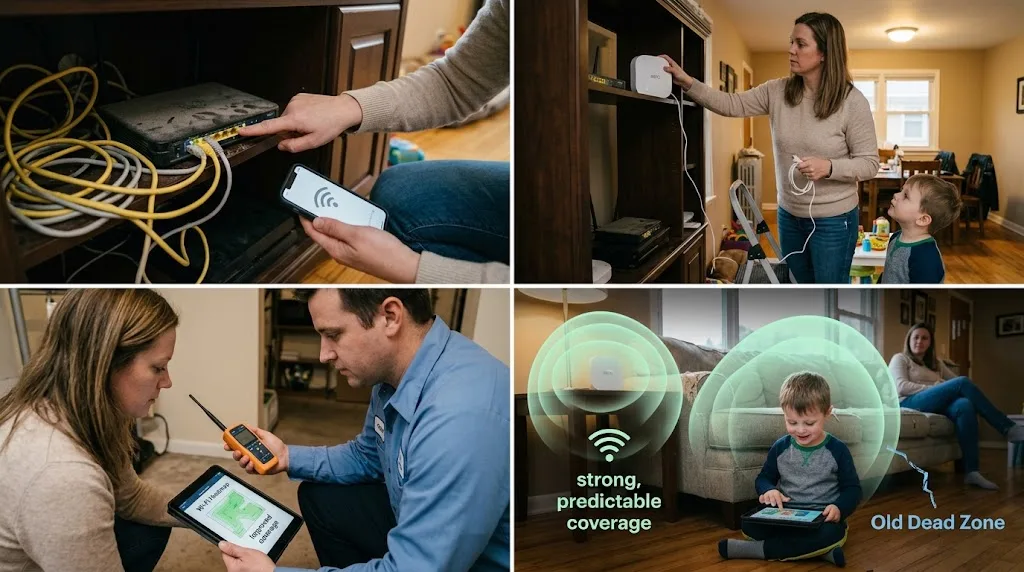
The Home Signal covers Wi-Fi, routers, mesh systems, dead zones, and the basic network checks that prevent a lot of later headaches. Strong, predictable coverage is the foundation everything else sits on.
Safe at the Door focuses on locks, doorbells, cameras, and simple security setups. The emphasis is on convenience for the people who live there, privacy, and avoiding systems that lock you into monthly fees you do not need.
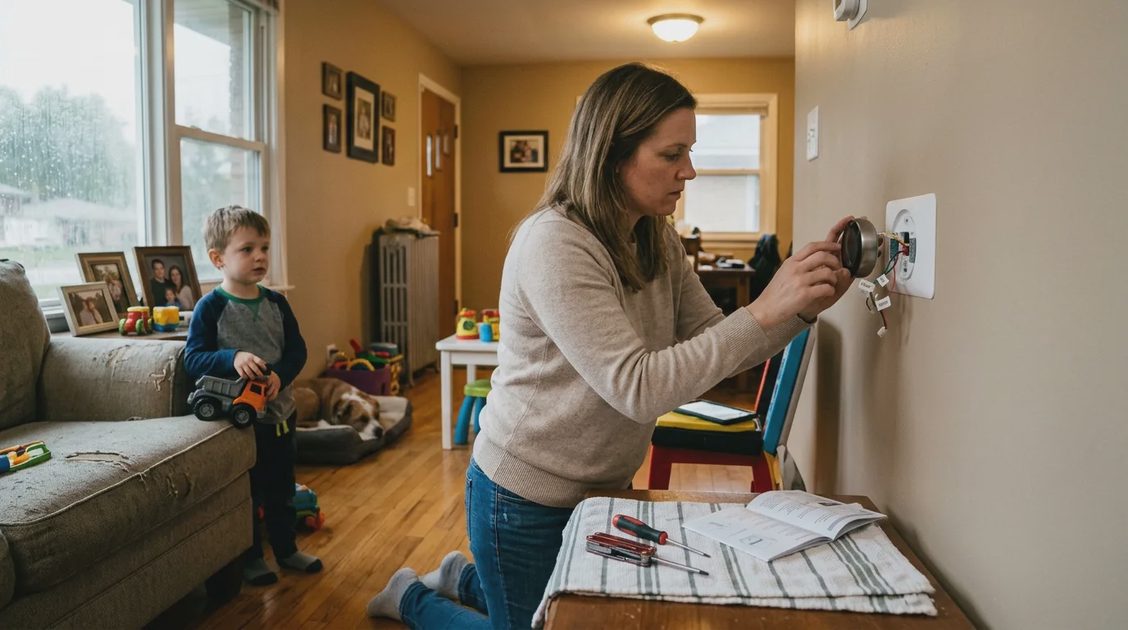
Devices That Earn Their Place looks at thermostats, sensors, plugs, energy monitors, and the purchase decisions that actually matter. The goal is to help you buy fewer things that work better.
The Family Setup deals with shared accounts, parental boundaries, password systems, and the technology routines that reduce stress instead of adding it. Homes with kids have different constraints than empty-nester or single-person setups, and the advice reflects that.
A Note on Tone and Expectations
I write the way I talk when I am sitting at someone’s kitchen table with a scrap of paper and a pen. I start with the simplest reliable solution. I explain the trade-offs in ordinary language. I tell you when a cheaper option is good enough and when spending a little more actually saves trouble later.
What You Will Not Find Here
You will not find fear-based security pitches. You will not find pressure to buy the most expensive system on the market. You will not find articles that assume every household needs the same ecosystem. You will not find pure unboxing content or rankings that treat every new product as essential.
What You Will Find
Practical guidance from someone who has installed and repaired these systems in ordinary American homes. Clear explanations of what matters and what can be ignored. Honest talk about batteries, subscriptions, privacy, and maintenance. And a consistent preference for solutions that still make sense after the initial excitement fades.
If you are looking for the latest gadget roundup, this is probably not the place. If you want steady, usable advice that respects the way real families live, you are in the right spot.
Let’s make your home work for you, not the other way around.