Experience Changes What You Trust
When you install the same categories of equipment in dozens of houses and then return to fix the ones that stopped working, patterns become clear. Some devices solve real problems and stay reliable. Others generate constant alerts, demand frequent attention, or create privacy issues that outweigh their benefits. I apply those lessons to my own home. The list below is not a claim that these products are never useful for anyone. It is a statement of what I choose to skip for my family.
Why Skipping Matters
Every device I skip is one less battery to replace, one less app to update, one less source of false alerts, and one less privacy surface to manage. The security I do have stays simple enough that it remains in active use. Complexity is the enemy of reliability in a family home.
Indoor Cameras in Private Spaces
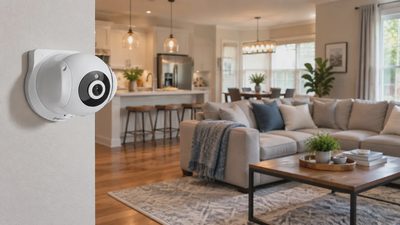
I do not put cameras in bedrooms or bathrooms, and I am cautious about permanent cameras in the main living areas. The privacy cost is high, and the situations in which such a camera would actually help are rare.
Temporary Versus Permanent
If I need to check on a sleeping child or an aging relative, I prefer temporary, clearly disclosed solutions rather than always-on devices. Once a camera is installed and connected to an account, the temptation to leave it running is strong. I would rather not create that temptation. Privacy expectations inside the home are different from those at the front door, and the equipment choices should reflect that difference.
Systems That Require a Subscription for Basic Function
I avoid cameras and sensors that will not perform their core job without a monthly fee. Live view and basic alerts should work with the hardware you purchased. Cloud storage and advanced analytics can be optional paid features.
The Long-Term Cost Problem
When a company designs the product so that the hardware is useless without the subscription, the long-term cost and the dependency become larger than the original benefit. I prefer equipment that continues to deliver its primary value even if I decide the extra cloud features are no longer worth paying for.
Overly Sensitive Motion Sensors Without Good Zone Control
Motion sensors that cannot be tuned or that lack activity zones produce so many false alerts that people eventually ignore them or turn them off. A sensor that cries wolf every time a curtain moves or a pet walks by has no practical value.
Tuning Is Not Optional
I only use motion detection when I can define the zone tightly and set a threshold that matches real activity. If the sensor cannot be adjusted, it usually ends up disabled. An ignored sensor is worse than no sensor at all because it creates a false sense of coverage.
Smart Locks Without Reliable Physical Backup
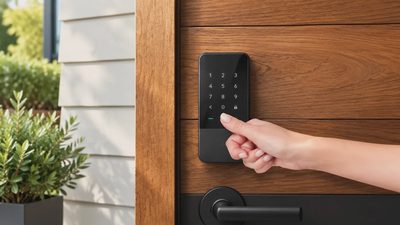
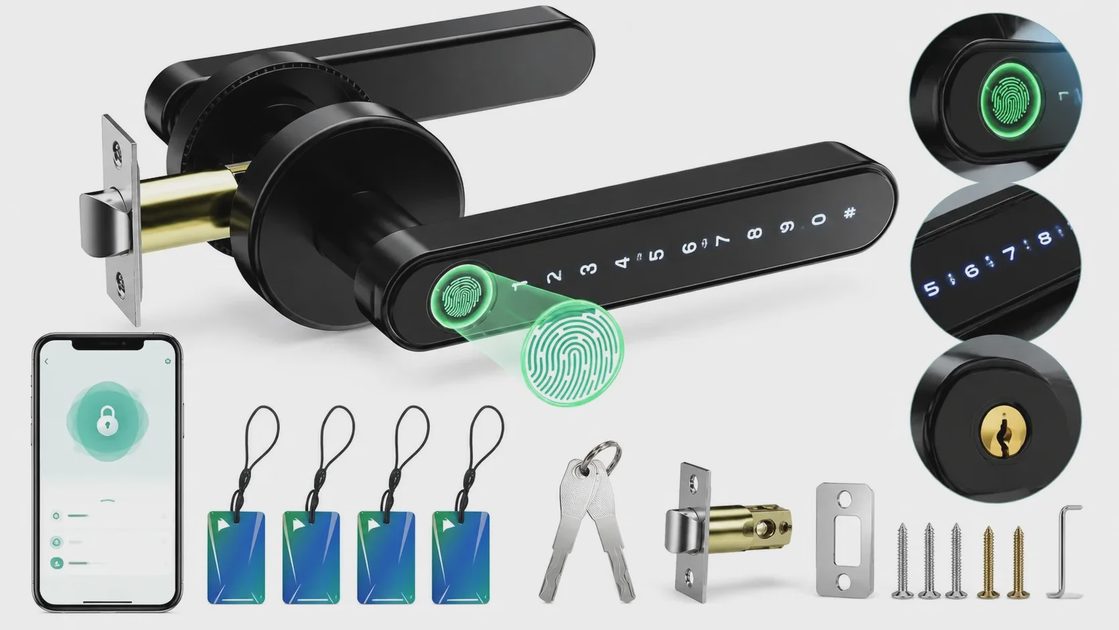
Any lock that depends entirely on an app, a fingerprint, or a network connection is a lock I will not rely on. Batteries die. Phones die. Networks fail. A traditional key or a simple numeric code that works without power or internet is non-negotiable for me.
Convenience Features Versus Single Points of Failure
Convenience features are welcome; single points of failure are not. A lock that cannot be opened when the power or the network is down is a liability in a family home. I choose locks that fail in predictable, recoverable ways.
Comprehensive “Whole-Home” Systems Sold on Fear
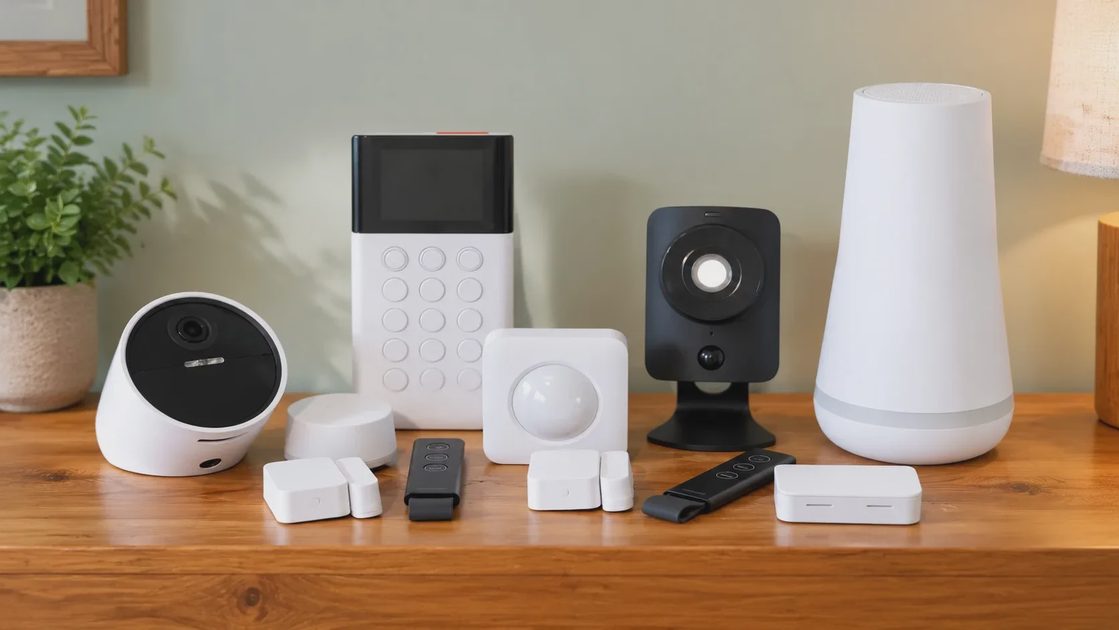
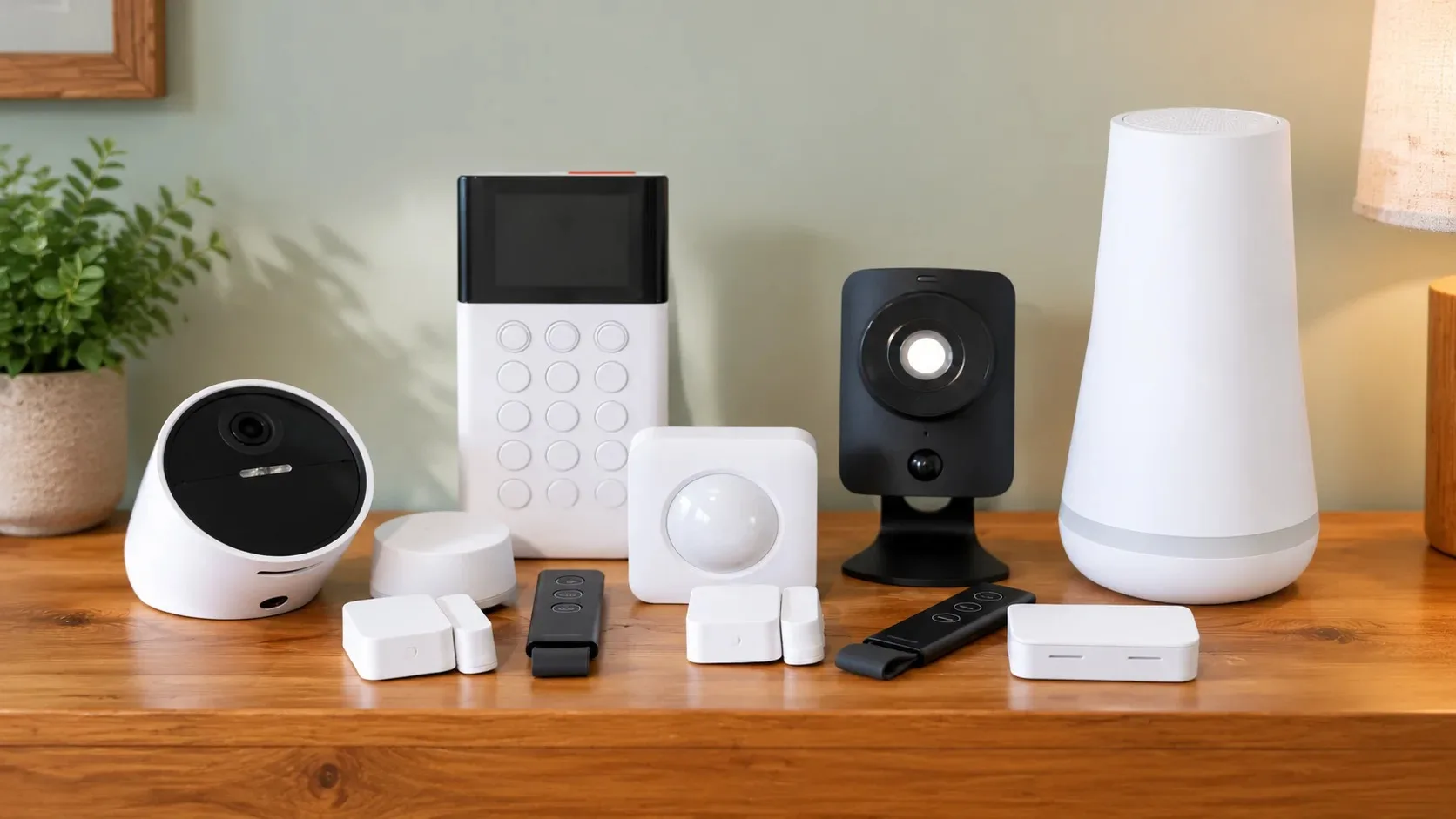
Packages that include cameras in every room, glass-break sensors on every window, and 24/7 monitoring sold primarily through alarmist messaging tend to create more anxiety and maintenance than security.
Preferring a Short List
I prefer a short list of devices tied to specific risks—front entry visibility, door and window contacts on vulnerable openings, solid physical locks—over a sprawling system that needs constant management. Fear-based selling often leads to over-buying. A smaller, understood system that is actually used is more effective than a large one that is partially ignored.
Devices With Poor Update and Support Histories
I check whether a manufacturer still supports products from three or four years ago and whether firmware updates are regular. Orphaned devices that no longer receive security patches or that lose app support become liabilities.
Longevity Matters
I favor companies with a track record of continued support even if their products are not the cheapest or the most feature-heavy. A device that works well for two years and then becomes unsupported creates more hassle than it originally solved.
Always-Listening Voice Devices in Sensitive Areas
Voice assistants are convenient in kitchens and workshops. I do not place them in bedrooms or bathrooms, and I disable the microphone when privacy matters. The convenience is real; the always-on microphone is a trade-off I manage carefully rather than accept by default.
Placement and Control
Keeping voice devices in common areas and giving them a clear off switch preserves the usefulness without extending listening into private spaces. The same principle applies to any always-connected microphone or camera: place it deliberately and retain the ability to turn it off.
Why These Choices Matter
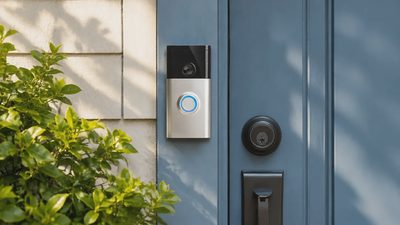
Every device I skip is one less battery to replace, one less app to update, one less source of false alerts, and one less privacy surface to manage. The security I do have—solid locks, good exterior lighting, a doorbell camera, a few well-placed contacts—stays simple enough that it remains in active use. Complexity is the enemy of reliability in a family home.
Closing Thought
Not every security product deserves a place in the house. The ones that earn their keep solve a specific problem, fail in predictable and recoverable ways, and do not demand constant attention. By skipping the rest, you keep the system small, understandable, and actually used. That is the kind of security that lasts.
Let’s make your home work for you, not the other way around.